Inspired by nature.
Read our story

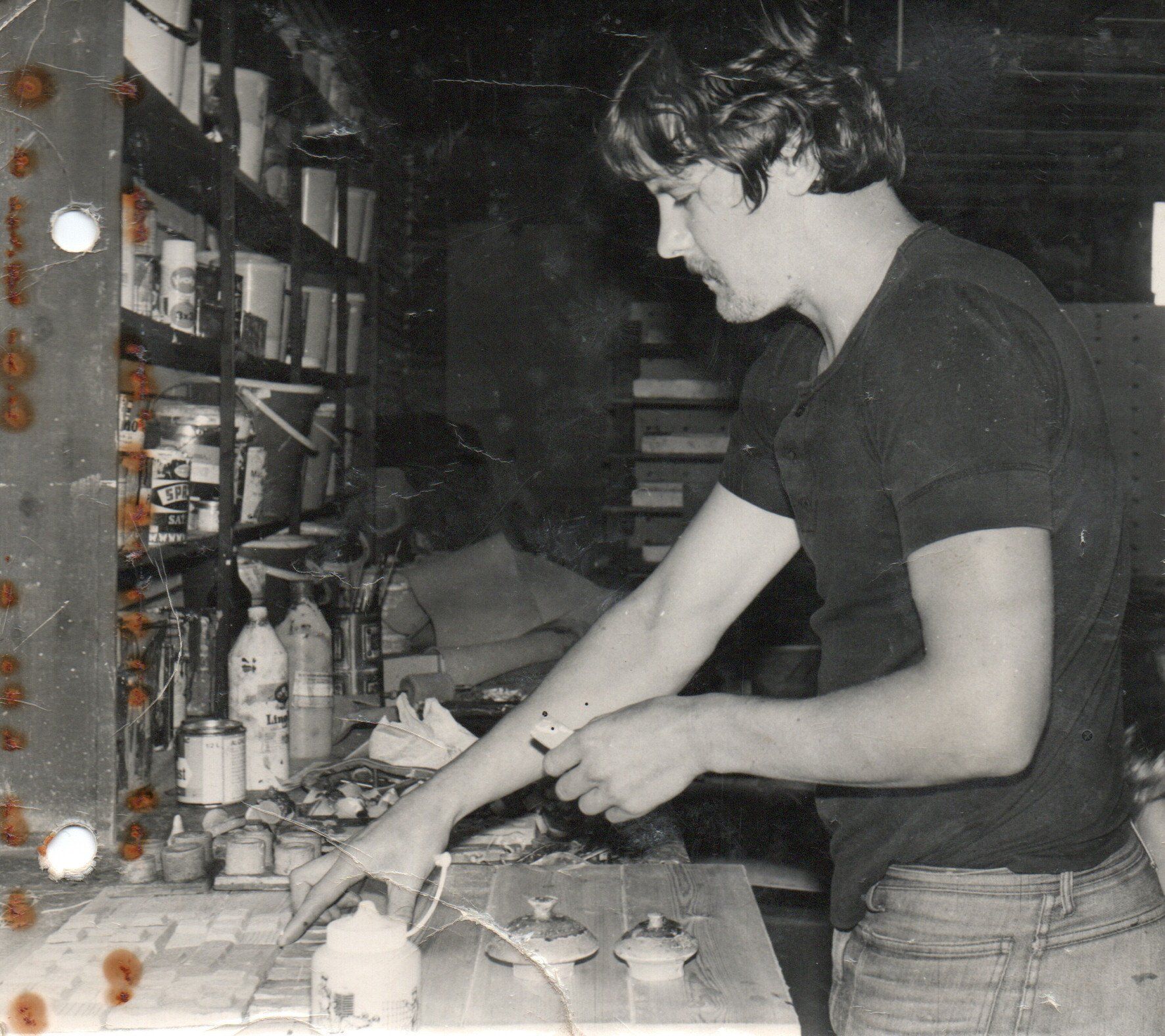
Irma and Kari Iso-Pahkala returned to Kalajoki after spending several years in Sweden, where they had pursued their dream of becoming ceramic artisans. Their journey began in Höganäs, a small town known for its ceramics, before continuing at the renowned Gustavsberg factory near Stockholm. Kari gained valuable experience in both functional and artistic ceramics, studying under the famous ceramic artist Stig Lindberg. Meanwhile, Irma worked in the porcelain painting and decoration department, where her exceptional drawing skills flourished.
Their dream was to establish their own ceramic studio back home in Kalajoki. Upon their return in January 1972, Kari immediately started his career as a ceramics entrepreneur. He converted the garage of his childhood home into a workshop, where he built an oil-fired kiln for firing ceramics. The clay he used was locally sourced red clay, collected from the riverbank beneath the frost layer during winter.


As the business grew, a new, more professional ceramic studio was built in 1974 at its current location. Kari designed and constructed a gas-fired reduction kiln for the new space, along with many other machines and tools, most of which he developed and built himself. Irma became the studio’s decorative painter and a skilled potter creating unique ceramic pieces.
The transition from red clay to high-fired stoneware marked a significant step forward. The raw materials kaolin and ball clay were imported from England, while the feldspar and quartz minerals came from Finland.
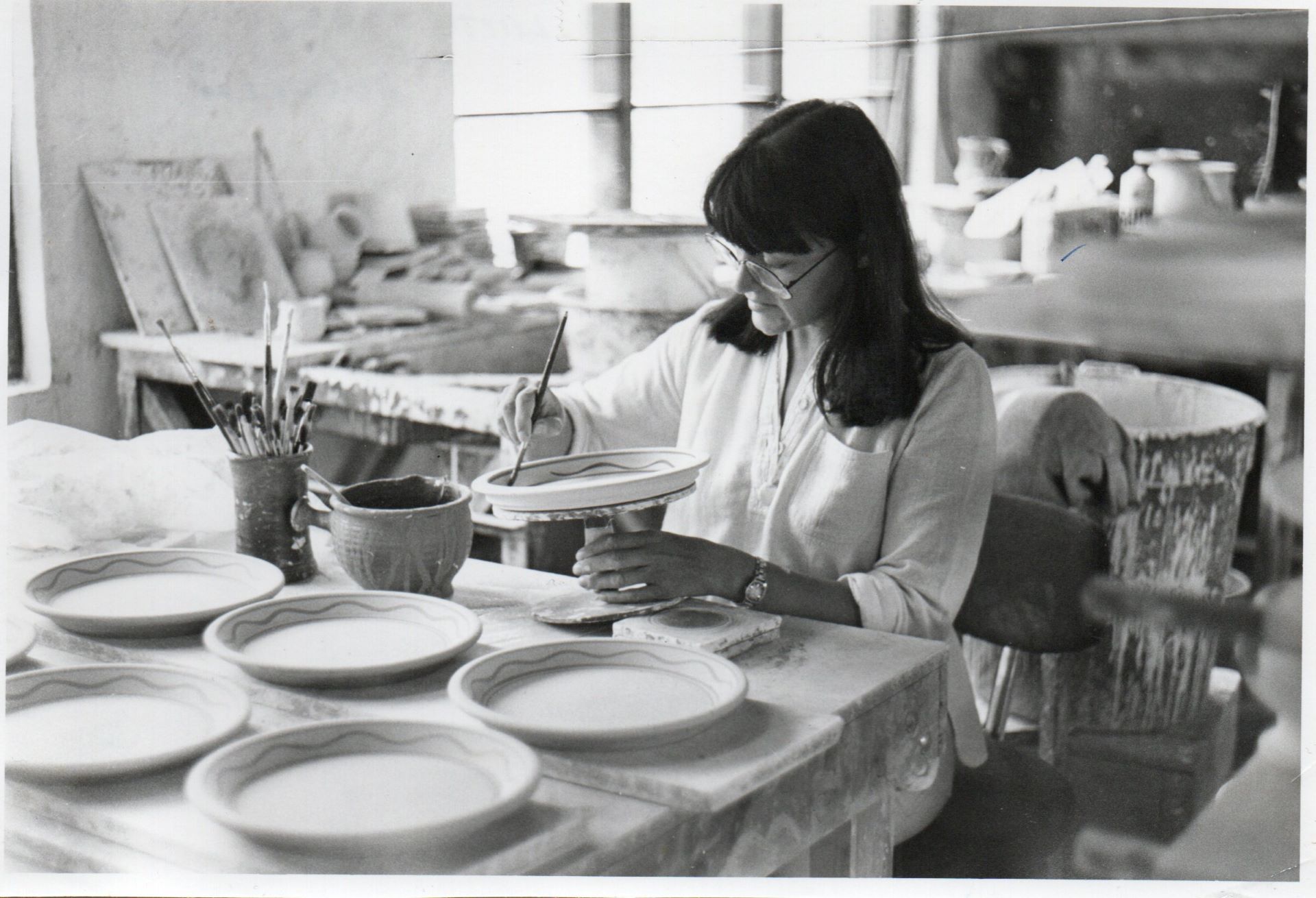
The transition from red clay to high-fired stoneware marked a significant step forward. The raw materials kaolin and ball clay were imported from England, while the feldspar and quartz minerals came from Finland.
Serial production began in 1976 with the launch of the 36-piece Savimaa collection. What made this collection unique was its innovative use of red clay as a thin surface layer, creating a matte finish that was groundbreaking in Finland.
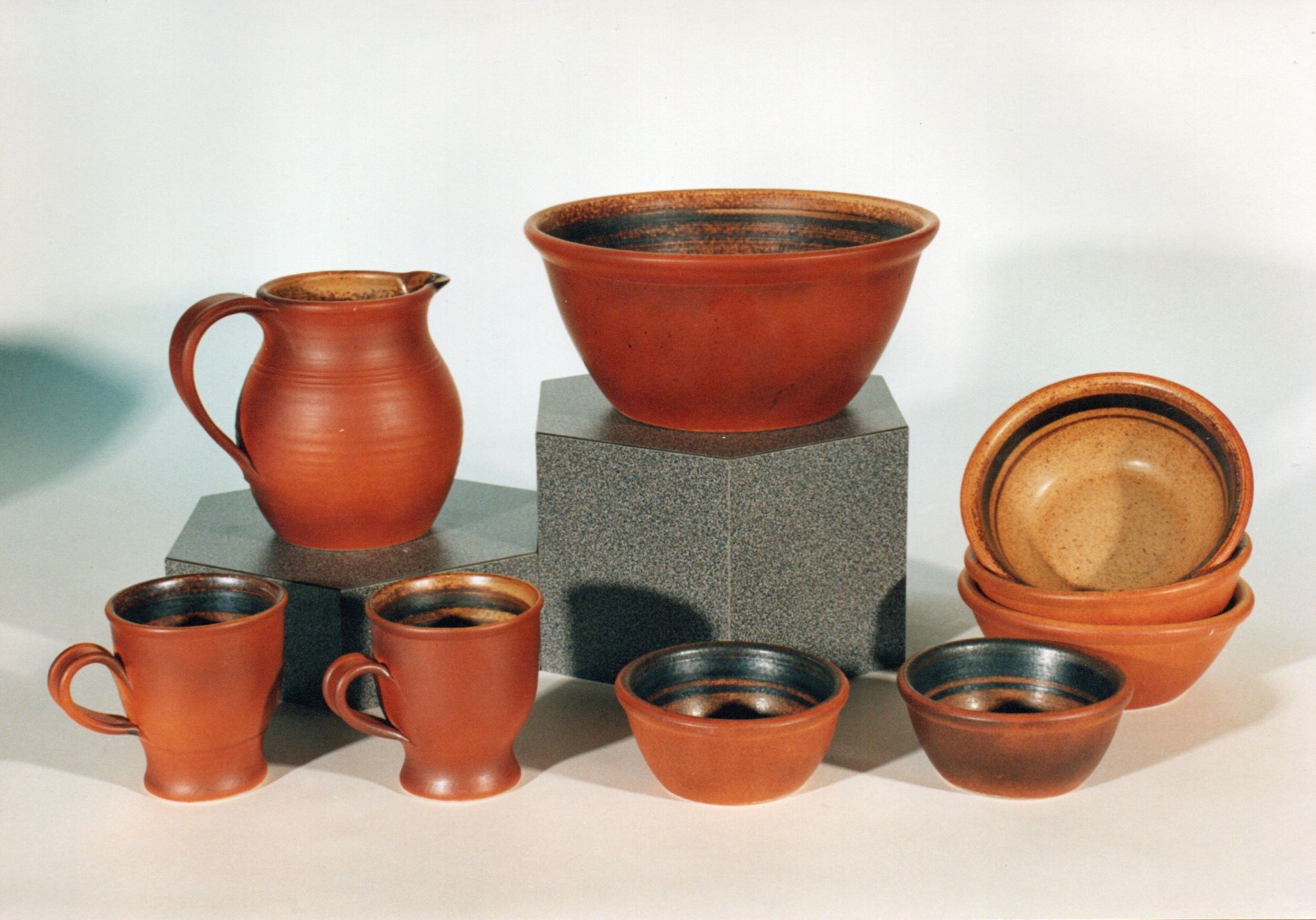
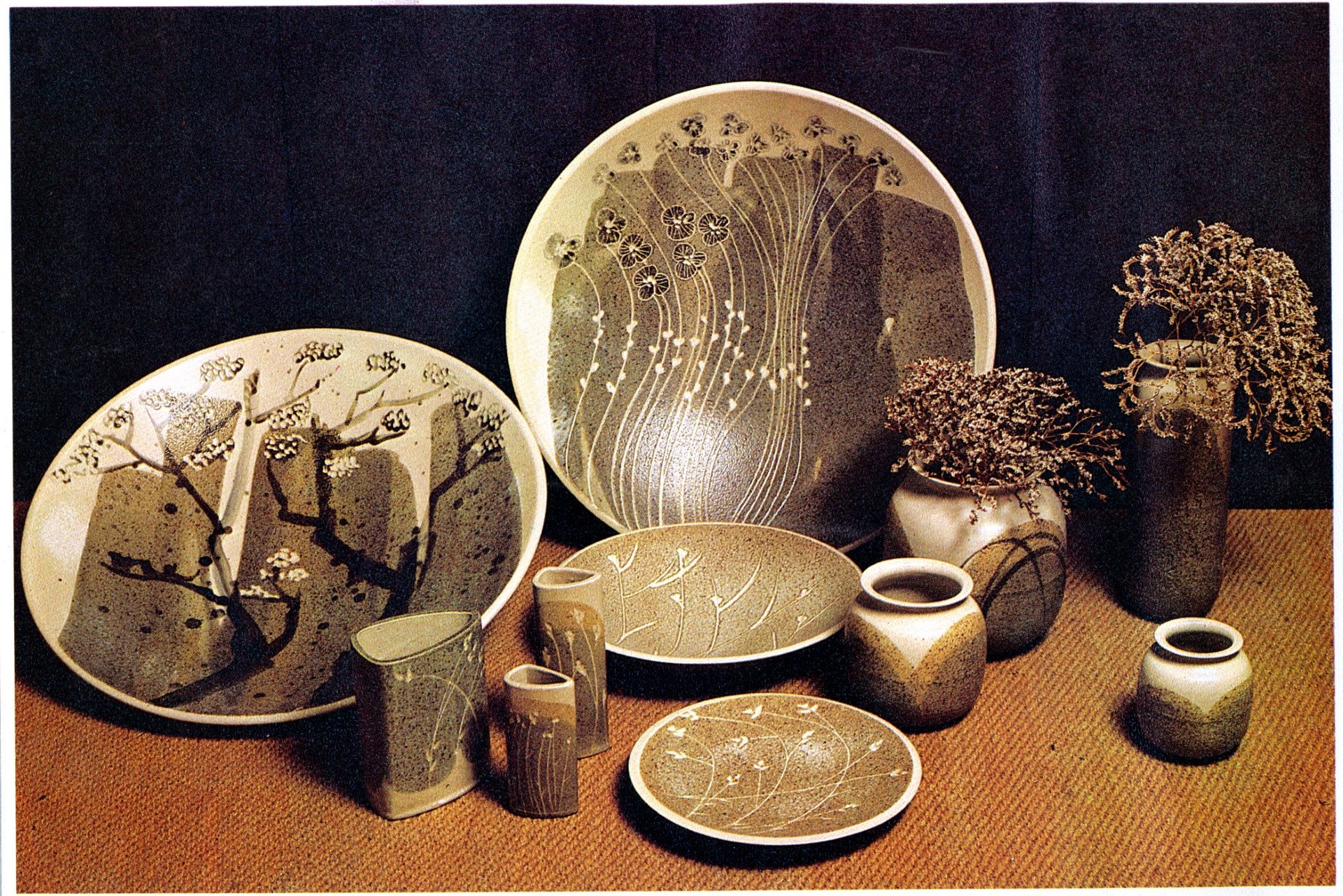
Glazing required expertise and precision, as did molding and casting techniques. Kari got help from professionals who have worked for years on the production line at the Gustavsberg ceramics factory — familiar returnees from Kalajoki.
In the late 1970s, production expanded with the Art collection of gift items, featuring textured surfaces made with local Kalajoki sand. Irma’s hand-painted designs, inspired by wind-swept coastal grasses, gave each piece a distinctive and artistic touch.
By the end of the decade, a dedicated exhibition space was built next to the studio, marking a new era for the company. Iso-Pahkala had become one of Finland’s largest ceramic studios, employing around 20 people.
Pottery is not a craft for those in a hurry. It can take weeks to complete a single piece, and every step requires precision and patience.
Kari Isopahkala 1976
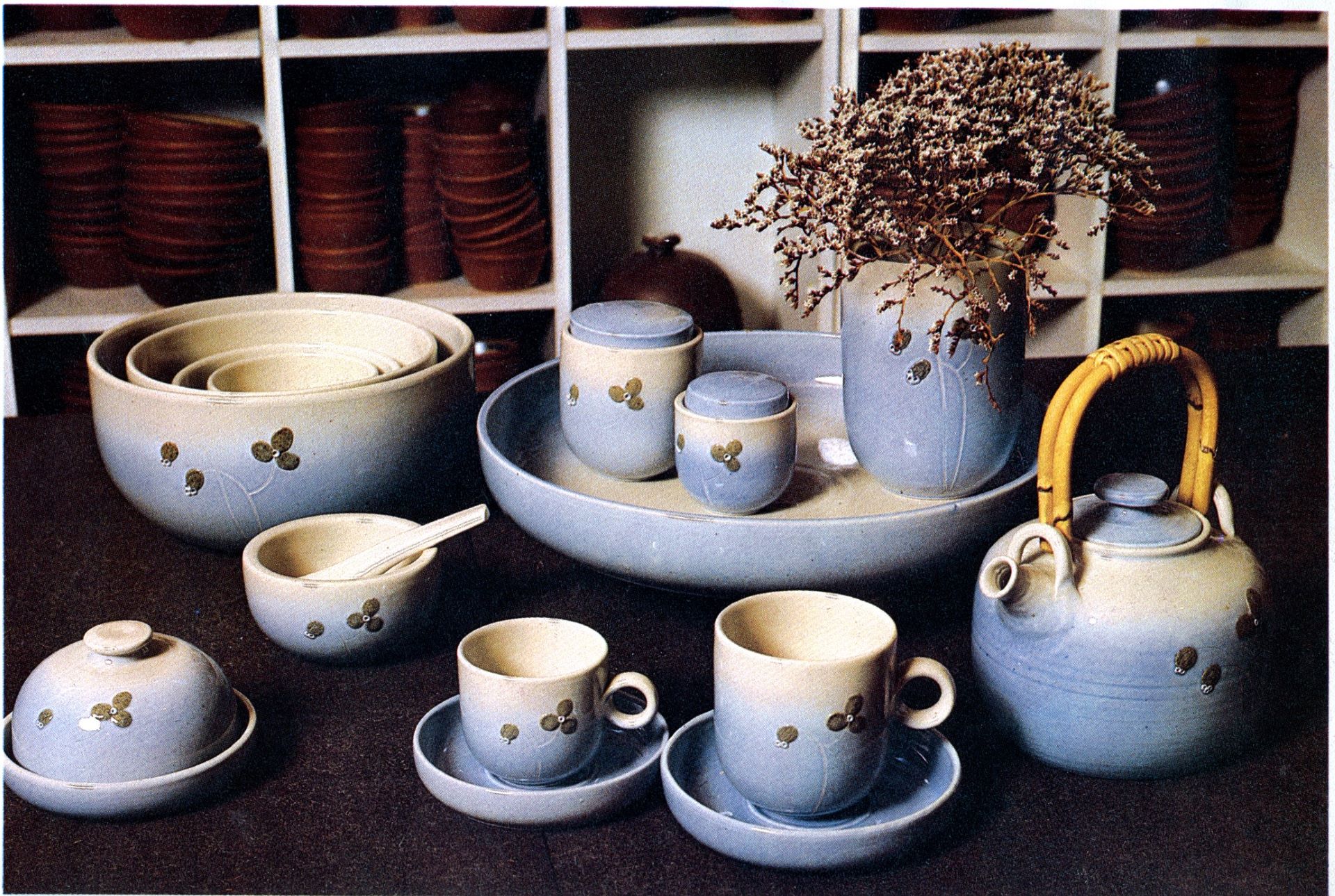
In 1982, the Nuppu collection emerged from the kiln - a delicate, 25-piece series featuring a soft blue hue and floral patterns. The design was Kari’s creation, while Irm a was responsible for the coloring and decoration. Her inspiration came from the wildflowers growing in the Kalla archipelago, bringing yet another natural element into Iso-Pahkala’s ceramic artistry.
As tourism in Kalajoki flourished, so did the demand for Iso-Pahkala ceramics. At its peak, over 40% of the studio’s customers came from Sweden and Norway. The pottery wheels spun non-stop, and nearly every piece found a buyer as soon as it was finished.

Small, hand-thrown series were produced like mushrooms after rain. Summer tourists, especially Norwegians and Swedes, took home as much as we could make."
Irma IsopahkalaEncouraged by success, Kari decided to invest in expansion. In 1983, a large factory was opened in Tornio, employing 25 people. A significant share of the production was exported to Sweden and Norway. However, the investment did not turn out as planned, partly due to its poor location, and the factory was closed just three years later. Operations in Kalajoki, on the other hand, continued without interruption.
Meanwhile, a major shift occurred in the giftware market. At the start of the decade, Iso-Pahkala ceramics were sold in 200 gift shops across Finland and 30 in Norway. By the end of the decade, cheap mass-produced imports from abroad flooded into Finland, creating fierce competition for locally made ceramics. Despite this, direct sales at the Kalajoki factory store remain strong.
By the late 1980s, producing restaurant tableware had become an important part of the business.
A new chapter began for the ceramic studio in the mid-1990s when Antti Iso-Pahkala, the middle son, joined the family business full-time. With fresh ideas and energy, he helped modernize production while honoring tradition.
Thanks to casting techniques, the popular ceramic lighthouses could now be produced in larger quantities. Antti introduced smaller lighthouse models alongside the larger ones originally designed by Kari, further growing the "lighthouse family."
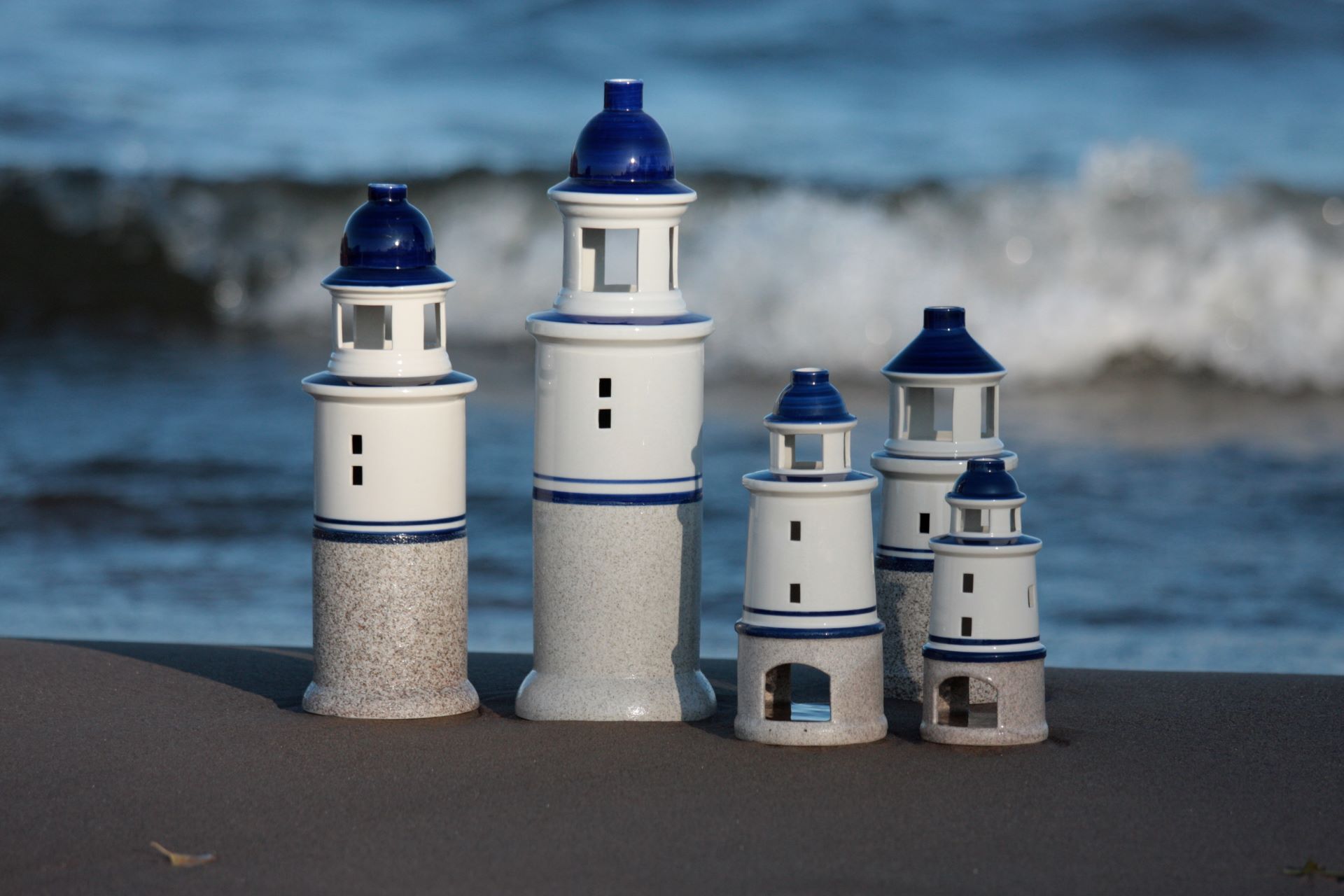
Antti’s passion for glazes and clay development also brought exciting changes. In addition to new designs, the studio introduced a wider color palette, adding new depth and variation to the collection. During this time, Antti’s partner, Pia-Mari Luovi, also joined the studio team.
Meanwhile, Kari and Irma’s two other sons pursued their own creative paths. The eldest, Tomi, became known for his ship models, some of which can be seen in churches and museums in Finland. These days, he focuses mainly on building charming garden lighthouses for outdoor spaces. The youngest, Jaakko, grew more fascinated by machines and mechanics than by art and pottery. Yet the passion for creating and working with one’s hands has, in one way or another, carried on through all three sons.
Working across two generations was incredibly enriching and rewarding—but also challenging. After all, we had our own in-house critics.
Irma IsopahkalaIn 2004, Antti Iso-Pahkala founded his own ceramics brand, Clayway, which operated within Iso-Pahkala’s facilities. Clayway specialized in elegant and functional ceramic pieces, including candleholders and vases.

Iso-Pahkala Ceramics has been an important part of Kalajoki’s tourism and cultural life for decades.
A long-anticipated generational transition was finalized in 2008, when Antti officially took over leadership of the company and the studio. Clayway merged with Iso-Pahkala Ceramics, marking the beginning of a new era.
As part of this transition, a new logo was introduced: the orange design features the shape of a pottery wheel, symbolizing tradition, while the orange color represents the high firing temperatures and the flames of the kiln.
The company also began to focus on the corporate gift market.
Irma and Kari moved into their own dedicated creative spaces, where they could continue their artistic work. Kari embraced his retirement as a free artist, while Irma remained active as a decorative painter in the studio even after officially retiring.
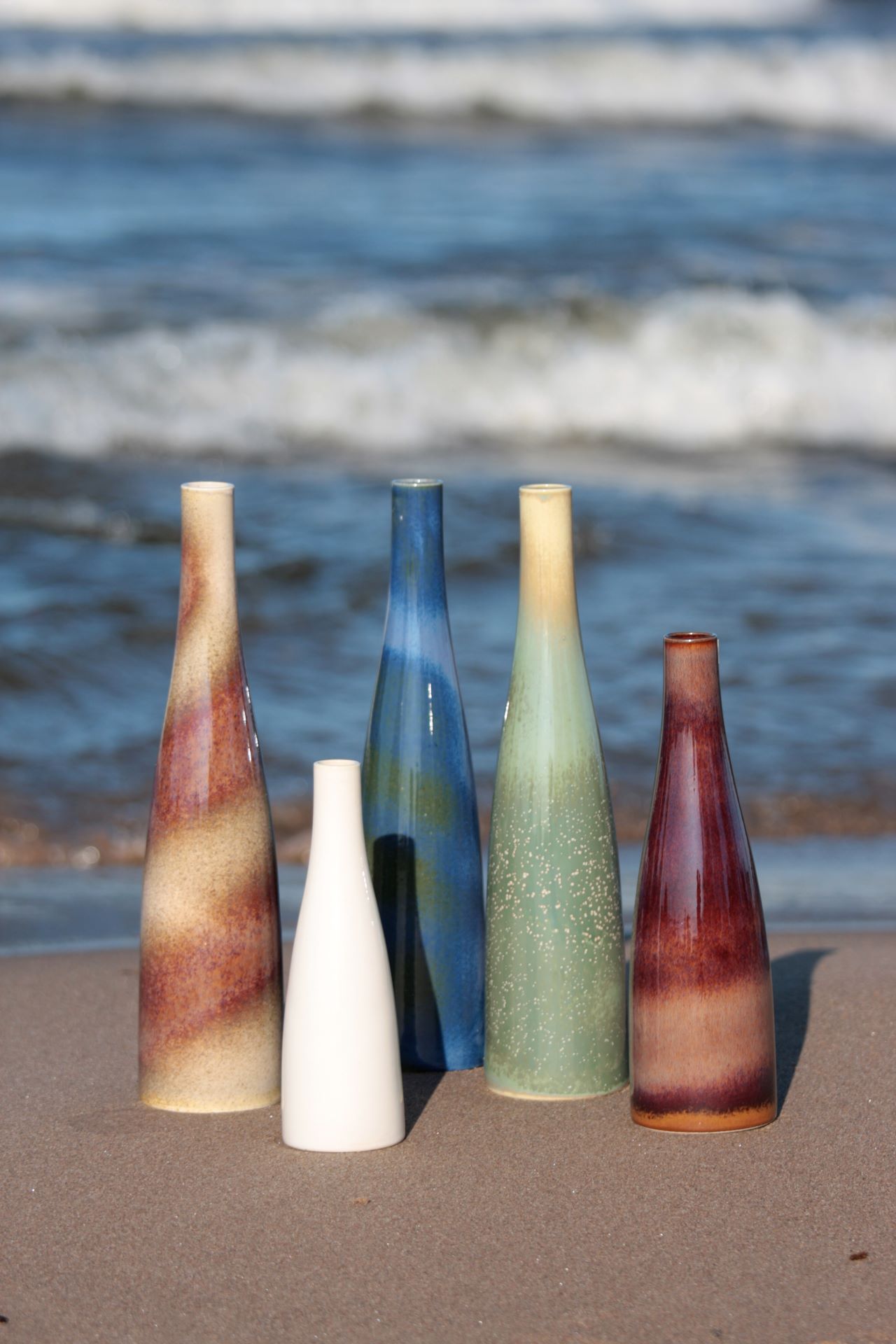
During the 2000s, Antti designed dozens of new models for the collection, including candle cottages, boat-shaped bowls, and bottle vases - many of which became customer favorites.

Around half of the production was now sold directly from the Kalajoki shop, while the rest was distributed to gift stores, corporate clients, and restaurants.
I enjoy designing clean lines and collections that are simple yet functional in their form."
Antti IsopahkalaBy the 2010s, Iso-Pahkala Ceramics had established itself as a producer of corporate and business gifts in Finland. A significant milestone came in 2010, when Antti began producing the prestigious Paimenpoika statue for Valio, a well-known Finnish dairy brand. Previously, the statue had been manufactured by Arabia.

Having become independent artists, Kari and Irma held several art exhibitions across Finland.
A long-held dream came true when a 50-seat café, Seili, was opened next to the store. Inspired by maritime traditions, the café’s interior was designed by Antti, who also handcrafted many of its furnishings. The café made the ceramic studio an even more popular visitor destination, especially among domestic bus tour groups.
A new kiln is completed — the true heart of the studio. With a high firing temperature of over 1300°C, it ensures the durability of every ceramic piece. Every kiln used at Iso-Pahkala has been designed and built in-house, each one a more advanced version of the last. The average lifespan of a kiln is about 20 years.
Despite advancements in technology, the foundation of Iso-Pahkala’s ceramics remains deeply rooted in tradition. The clay mixture continues to be made in-house from pure, natural minerals using a carefully refined recipe. The kaolin and ball clay are sourced from England, while the feldspar and quartz come from Finland’s Kemiö Island. The exact mix of ingredients is adjusted based on the production technique used.
Iso-Pahkala’s glaze compositions are also the result of decades of dedicated development. The fusion of minerals in glazes is a delicate chemical process, and firing in a gas-powered flame kiln gives each piece its final color and character.
The clearer the sound of a ceramic piece, the higher the temperature at which it was fired. High temperatures create the most durable ceramics.
Antti IsopahkalaToday, Iso-Pahkala Ceramics remains a family-run company, dedicated to crafting high-fired stoneware ceramics. The collection includes functional tableware, gift items, corporate gifts, as well as unique and artistic pieces.
A variety of techniques are used in production, including casting, molding, wheel-throwing, and hand-building.
The coastal nature of Kalajoki—with its sea, shores, and forests—continues to be an endless source of inspiration for Iso-Pahkala’s artisans.
The majority of the studio's current production is designed by Antti, with the most popular series including ceramic lighthouses, candle cottages, candlesticks, and vases. In addition to these, the ceramic studio produces a wide range of one-of-a-kind ceramic pieces.
The facilities now include a 1200 m² space, covering the factory store and showroom, production areas, storage, and dedicated art studios.
Antti and Pia-Mari’s daughter Tytti has taken part in the studio’s work since childhood and has a particular interest in decoration and artistic creation. Only time will tell what role ceramics will play in her future.
In the summer of 2024, the studio hosted a special exhibition, Freely from Clay – Three Generations, celebrating five decades of Iso-Pahkala Ceramics.
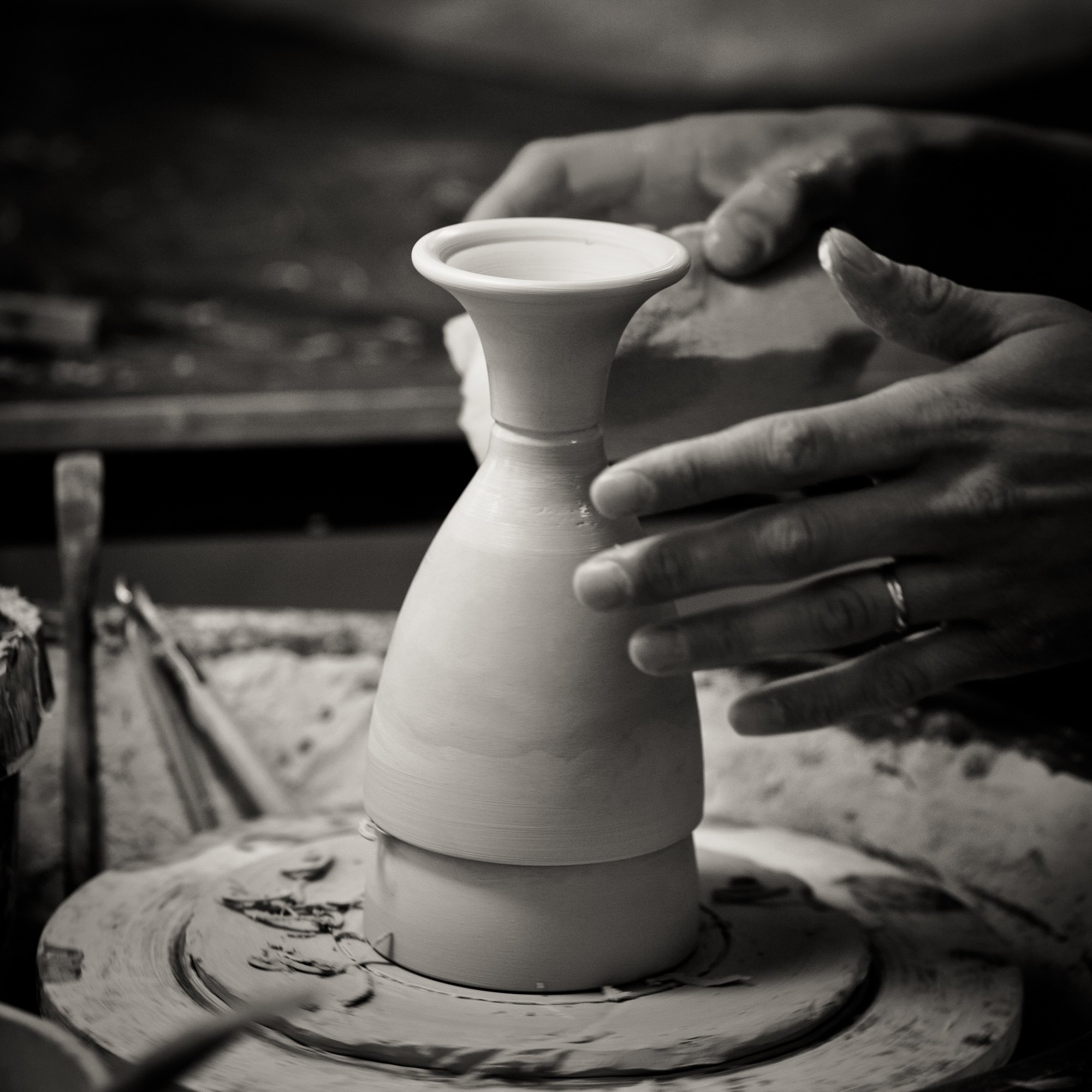
Ceramics is still true craftsmanship. Every piece is made by hand right here in our ceramic studio.
Antti Isopahkala